

Free MDF Laser Cut Files – SVG & DXF Downloads
Designs suited to MDF, the cheapest sheet material for laser cutting. MDF cuts predictably, has no grain or glue voids to fight, and gives a consistent edge — which makes it the usual choice for prototyping and for products that will be painted.
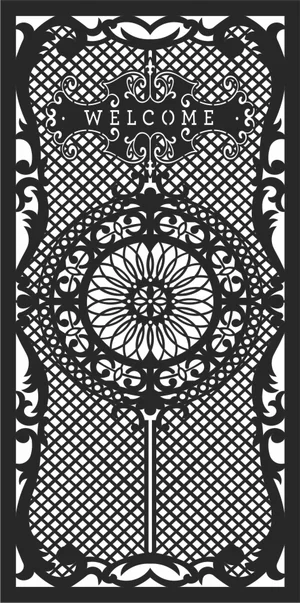
decorative doors wall screens
seamless horizontal lines pattern

decorative laser-cut panel
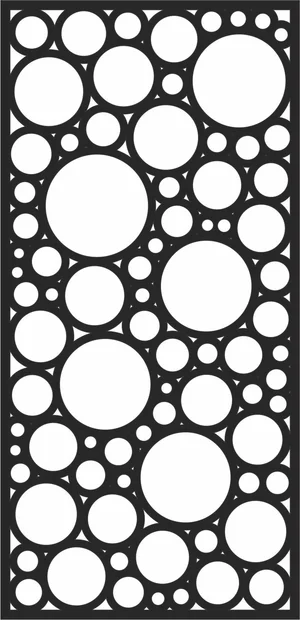
privacy screen bubble room divider
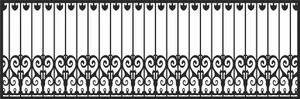
decorative wrought railing fence
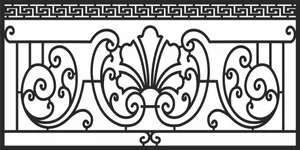
wrought balcony railing
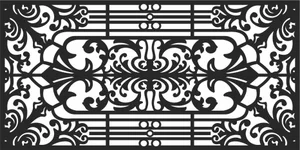
decorative gate fence
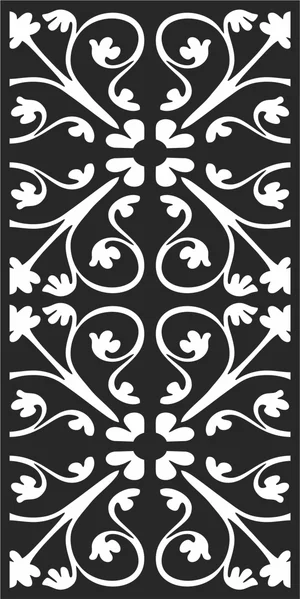
decorative pattern
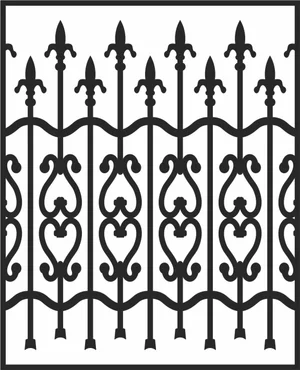
decorative wrought fence
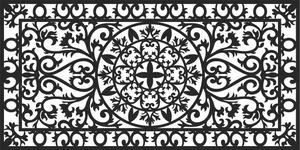
decorative wrought pattern
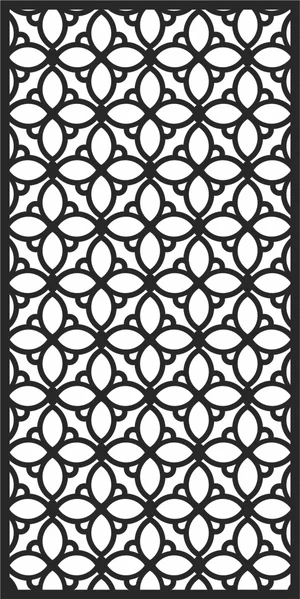
decorative wrought door
decorative wrought fence

decorative border ornamental divider

border ornamental divider

border ornamental divider
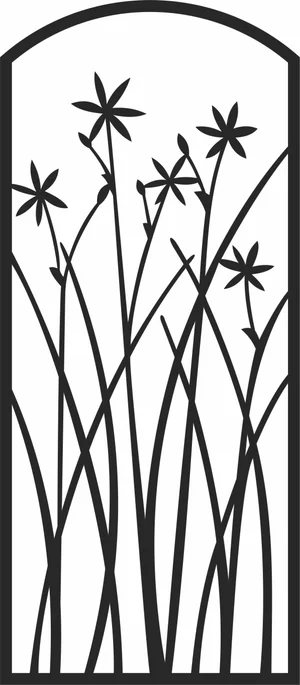
Orchid flower gate
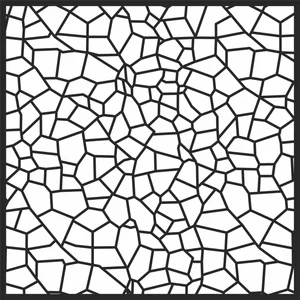
Seamless Pattern

decorative border ornamental divider

decorative floral pattern
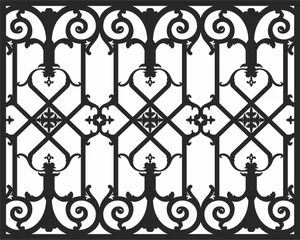
wrought decorative fencing
decorative wrought driveway gate
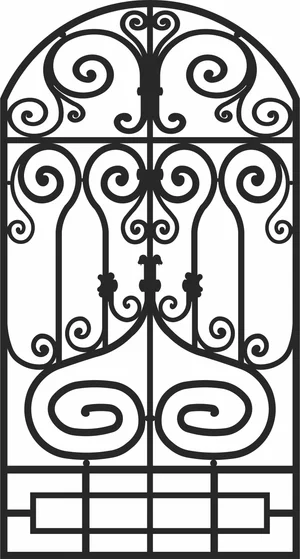
Arched Top Decorative Wrought Side Gate
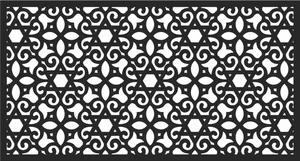
Arabic Geometric Islamic Pattern
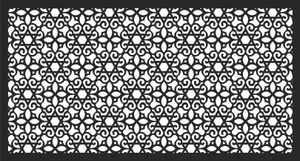
Arabic Geometric Islamic Pattern
MDF Laser Cutting FAQ
Is MDF safe to laser cut?
It is cut routinely, but it needs proper extraction. MDF uses formaldehyde-based resin binders that are released as the laser burns through. Vent to outside air rather than recirculating, and do not cut MDF in an unventilated room. Do not confuse MDF with MDF-cored laminates — those may contain PVC, which releases chlorine gas and must never be cut.
What thickness of MDF should I use?
3mm is the standard for decorative pieces, signs and ornaments, and cuts on most diode lasers. 6mm suits structural parts and boxes but needs a CO2 laser or a high-power diode with several passes. Above 6mm, MDF becomes slow and the edges char heavily.
Why are my MDF edges so dark?
Charring is inherent to MDF — the resin burns rather than vaporising cleanly. Air assist reduces it substantially. Cutting faster at higher power chars less than cutting slowly at low power. Many people simply paint MDF, which is what it is best at.
MDF or plywood for laser cutting?
MDF is cheaper, perfectly uniform, and ideal for painted work. Plywood looks better unfinished, takes stain well, and is stronger in thin sections — but glue lines vary between sheets so cut settings drift. Choose MDF for painted or prototype work, birch plywood for anything sold with a natural wood finish.